
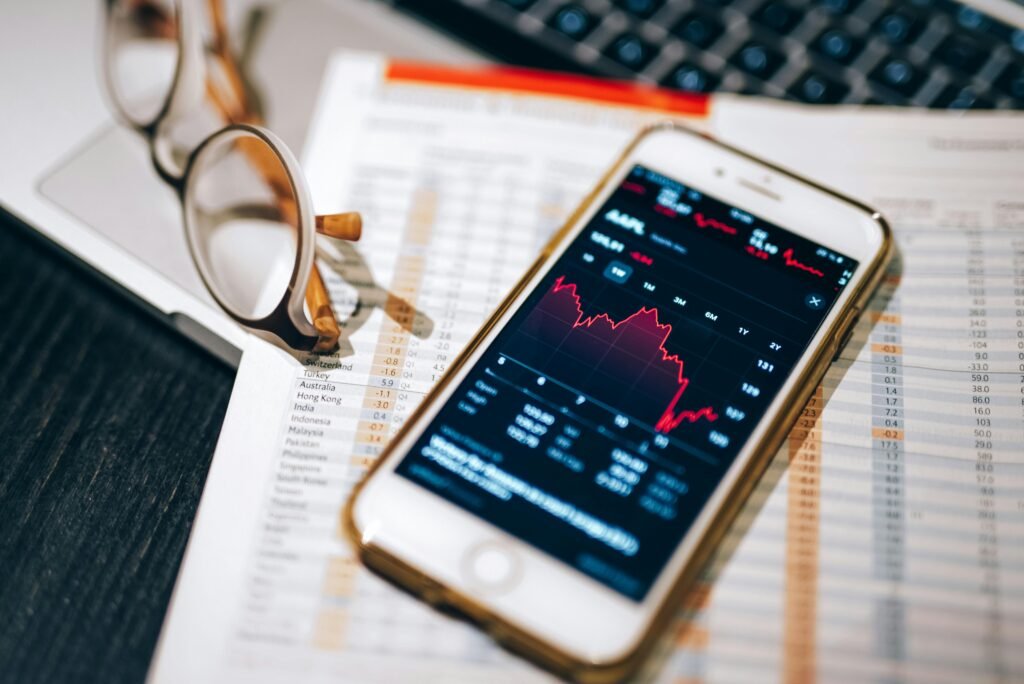
If you checked your phone anytime these days, you would find a sea of red in the markets, you probably felt that familiar spike of adrenaline—the “fight or flight” response. As an anesthesiologist, I see that physiological state every day. It’s the body’s way of saying: “Stability has been compromised.”
The standard financial advice is always “diversify your portfolio.” Don’t put all your eggs in one basket. But today’s crash raises a much deeper question for the Indian household:
If the digital systems that manage your wealth are fragile, why should the physical systems that manage your life be any different?
The Illusion of Diversification
Most people think they are diversified because they have stocks, some gold, and a bit of real estate. But in a 2026 landscape—marked by regional conflicts and global supply chain shocks—that is a one-dimensional portfolio.
If a market crash leads to civil unrest, grid instability, or hyperinflation, your “digital zeros” won’t help you filter water or power a medical device. True diversification requires tangible assets.
Redundancy: The Clinical Standard
In the operating theater, we don’t just have one oxygen source. We have a primary, a secondary, and a manual backup. We call this redundancy. In your home, you should call it The Resilience Portfolio.
To truly protect yourself, you need to diversify across three critical “asset classes”:
- Life-Support Redundancy: Do you have a “secondary power loop”? If the grid fails due to economic or physical shock, a 12/24V DC solar system ensures your communication and medical devices stay live.
- Structural Diversification: Is your home a single point of failure? A “Safe Room” with 6″-11″ reinforced concrete and dual-point egress (two ways out) is the only way to diversify against structural or security threats.
- Medical Liquidity: In a crisis, trauma-grade medical supplies (Axiostat, CAT Tourniquets, antibiotics) are more “liquid” than cash. They are the ultimate hedge against a failing supply chain.
The Bottom Line
Market crashes remind us that these systems are often outside our control. But your household’s ability to withstand a shock is entirely within your hands.
Don’t just balance your stocks today. Balance your survival. Move a portion of your “paper wealth” into “tangible resilience.”